Fragrance comparison
Put two to four perfumes head to head on notes, accords, longevity, sillage, seasons, value and ratings. Every category gets a winner, plus a scent-match score for finding alternatives and dupes.
Popular fragrance comparisons
The matchups, and designer-vs-dupe pairs, people search for most.
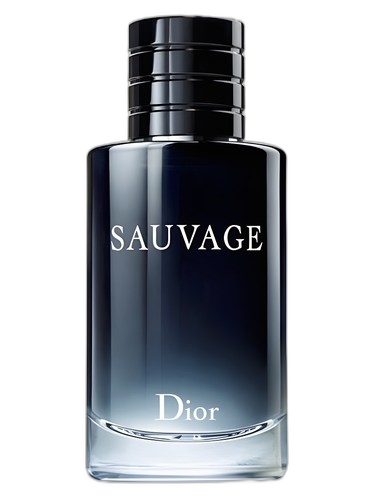 vs
vs Sauvage vs Bleu de Chanel
Dior · Chanel
Sauvage vs Bleu de Chanel
Dior · Chanel
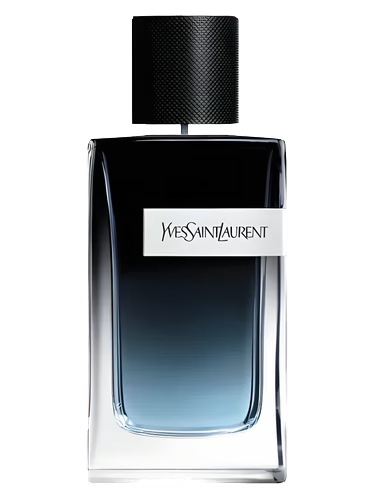 vs
Y Eau de Parfum vs Sauvage
Yves Saint Laurent · Dior
vs
Y Eau de Parfum vs Sauvage
Yves Saint Laurent · Dior
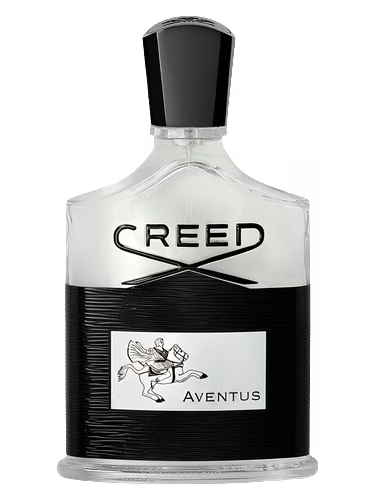 vs
vs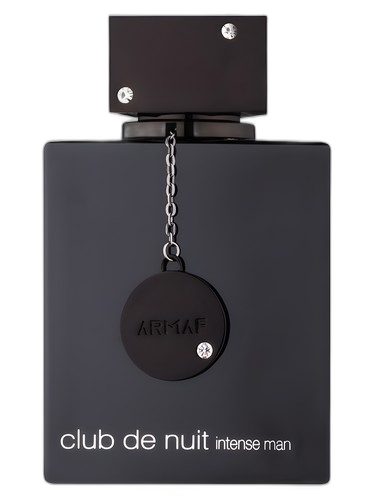 Aventus vs Club de Nuit Intense Man
Creed · Armaf
Aventus vs Club de Nuit Intense Man
Creed · Armaf
 vs
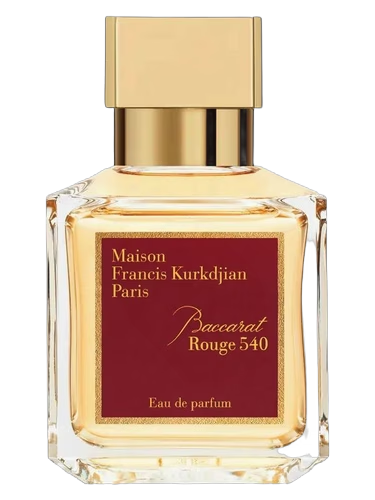
vs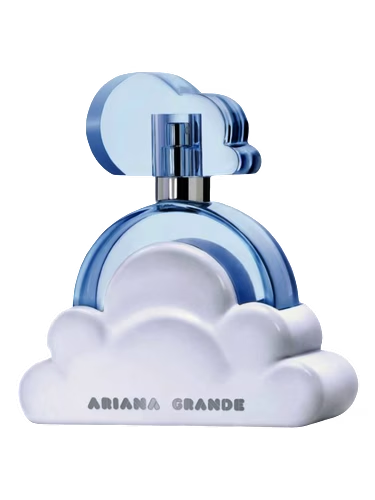 Baccarat Rouge 540 vs Cloud
Maison Francis Kurkdjian · Ariana Grande
vs
Baccarat Rouge 540 vs Cloud
Maison Francis Kurkdjian · Ariana Grande
vs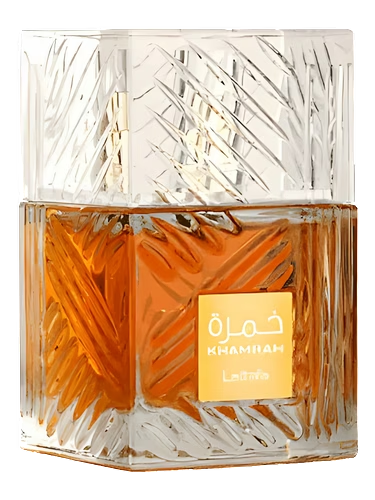 Baccarat Rouge 540 vs Khamrah
Maison Francis Kurkdjian · Lattafa Perfumes
vs
Baccarat Rouge 540 vs Khamrah
Maison Francis Kurkdjian · Lattafa Perfumes
vs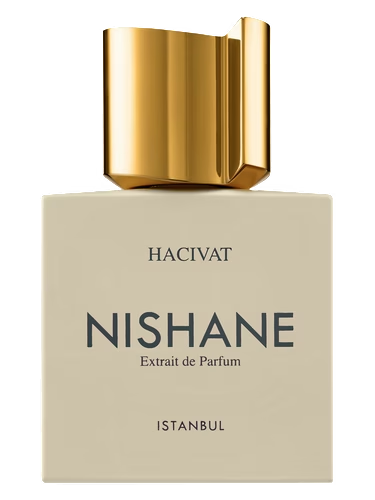 Aventus vs Hacivat
Creed · Nishane
vs
Bleu de Chanel vs Bleu de Chanel Eau de Parfum
Chanel · Chanel
Aventus vs Hacivat
Creed · Nishane
vs
Bleu de Chanel vs Bleu de Chanel Eau de Parfum
Chanel · Chanel
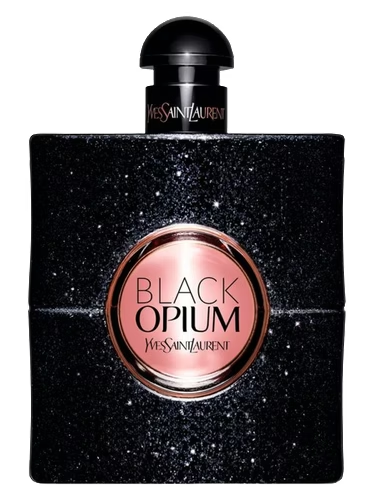 vs
vs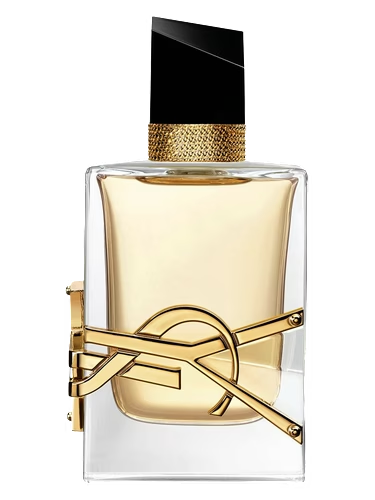 Black Opium vs Libre
Yves Saint Laurent · Yves Saint Laurent
Black Opium vs Libre
Yves Saint Laurent · Yves Saint Laurent
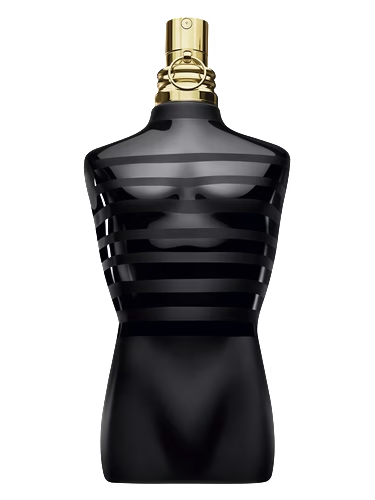 vs
vs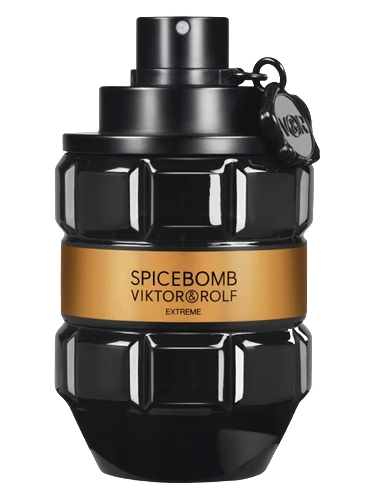 Le Male Le Parfum vs Spicebomb Extreme
Jean Paul Gaultier · Viktor&Rolf
Le Male Le Parfum vs Spicebomb Extreme
Jean Paul Gaultier · Viktor&Rolf
EDT vs EDP vs parfum: what changes?
Concentration is the first thing to check when comparing two versions of the same scent.
Eau de cologne
Perfume oil2–5%
Typical wear1–2 hours
Fresh splash, light wear
Eau de toilette (EDT)
Perfume oil5–15%
Typical wear3–5 hours
Brighter, often more citrus-forward
Eau de parfum (EDP)
Perfume oil15–20%
Typical wear5–8 hours
Rounder, deeper base notes
Parfum / extrait
Perfume oil20–30%
Typical wear8+ hours
Dense, close to the skin, rich
Typical industry ranges; real longevity depends on the formula and your skin, which is why every comparison uses community longevity votes for each specific fragrance.
Fragrance comparison FAQ
How the comparison works, plus the basics people ask most.
How do I compare two perfumes?
Add two to four fragrances with the search box. Fragranxe lines them up side by side across ratings, community sentiment, accords, longevity, sillage, value, seasons, time of day and the full note pyramid, then names a winner for each category.
How is the scent similarity score calculated?
It combines how closely the main accords overlap (60%) with how many notes the two fragrances share (40%). Above 75% usually means the two smell very alike, which is useful for finding a cheaper alternative or a dupe.
Where do the longevity and sillage scores come from?
They are 0-100 scores built from community performance votes. Ratings combine public fragrance ratings with Fragranxe member votes, and the ranking is the Fragranxe overall rank. Categories with too few votes are shown but not scored.
What is the difference between EDT, EDP and parfum?
They are concentrations. Eau de toilette (EDT) usually holds about 5-15% perfume oil, eau de parfum (EDP) about 15-20% and parfum or extrait about 20-30%. Higher concentrations generally last longer and sit richer, but the same name in EDT and EDP is often a different composition, so compare them directly.
What is the difference between perfume and cologne?
Strictly, eau de cologne is the lightest concentration (about 2-5%). In everyday use "cologne" often just means a fragrance marketed to men, while "perfume" covers everything. Concentration, not the label, decides how long it lasts.
Recent comparisons
Head-to-head activity from live history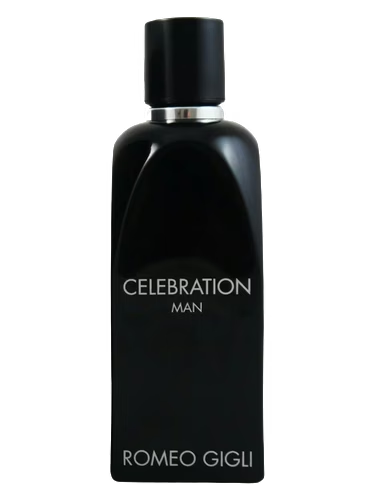 Celebration ManRomeo GigliRUNNER-UP
vs
♛
Celebration ManRomeo GigliRUNNER-UP
vs
♛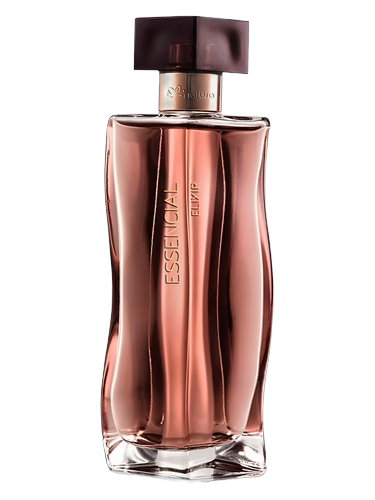 Essencial ElixirNaturaWINNER
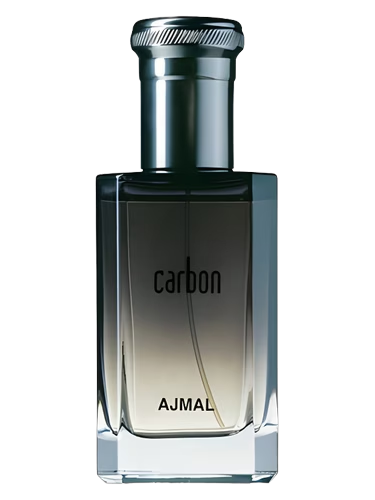 CarbonAjmalRUNNER-UP
vs
♛
CarbonAjmalRUNNER-UP
vs
♛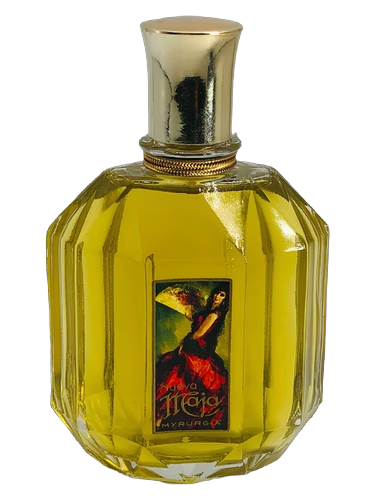 Nueva MajaMyrurgiaWINNER
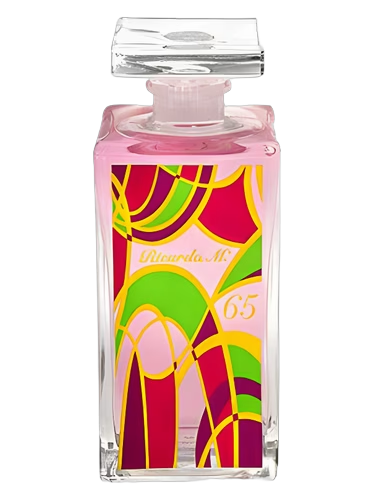 N°65Ricarda M.WINNER
vs
N°65Ricarda M.WINNER
vs
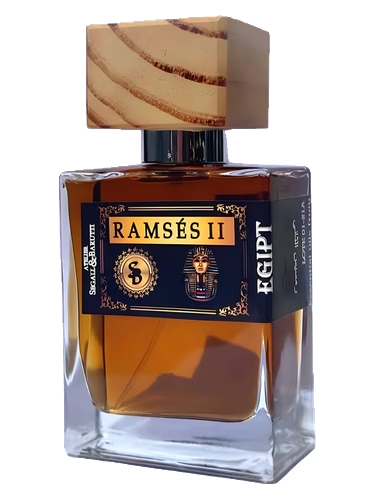 Ramsés IIAtelier Segall & BaruttiRUNNER-UP
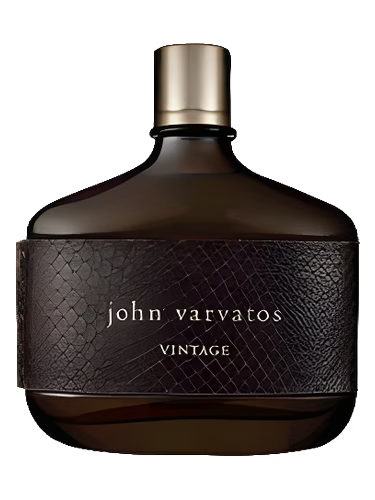 VintageJohn VarvatosWINNER
vs
VintageJohn VarvatosWINNER
vs
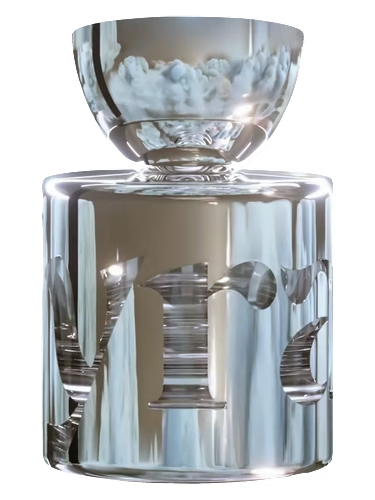 The SixthVyraoRUNNER-UP