
Aventurine
Formulated in 1913, Aventurine represents classic French floral simplicity designed for both women and men. It fits perfume historians, vintage enthusiasts, and adventurous collectors who appreciate antique compositions from the house of L.T. Piver. Because the scent focuses purely on a floral theme, it carries a calm daytime mood suited for quiet wear, private reflection, or casual spring afternoons. The clean floral profile avoids contemporary candy sweetness, appealing to wearers who prefer traditional botanical balance. While its extreme rarity means few people can wear it daily, it serves as a fascinating study piece for anyone exploring how early modern perfumery approached shared floral styling. It remains a historic unisex floral reference.
Similar Suggestions
BETAFragrances with the nearest note and performance profile.
For more in-depth suggestions.
Performance Metrics
NO VOTES YETOpen Performance Breakdown 1 TAKE
There are currently no community performance votes logged for Aventurine, with zero ratings recorded for longevity and sillage. Wearers have not contributed hour benchmarks or projection measurements. Given its 1913 formulation and traditional floral composition, lovers of antique perfumery should anticipate intimate sillage and modest longevity that stays close to the skin.
Notes Pyramid
Search these notesChoose where each note belongs.
Aventurine centers entirely on a classic floral profile, presenting fresh botanical petals, light green-tinted blossoms, and a soft powdery floral base. Because archival records catalogue it strictly as a floral composition without preserving individual note breakdowns, the scent profile highlights the clean, refreshing character of garden flowers without competing spices or heavy woods.
Main Accords
0 MAPPEDAccord data has not been mapped yet.
The primary floral accord opens with an airy, crisp petal quality reminiscent of fresh-cut garden blossoms. Over the first hour, this floral accord softens into a smooth, gentle botanical body without sharp edges. By the final phase of wear, the accord dries down into a faint, powdery floral trail that quietly fades against the skin.
Community Data
1 TOTAL VOTESCOMMUNITY SENTIMENT
OWNERSHIP STATS
GENDER APPEAL
REVIEW SENTIMENT
When to Wear
TAP TO VOTETIME OF DAY · TAP TO VOTE
OCCASIONS · TAP TO VOTE
Throughout the wear cycle, the single floral accord behaves in an honest, linear fashion. It begins with dewy floral brightness and gradually softens into a faint petal dust over several hours. Because L.T. Piver composed it in 1913 without the dense synthetic fixatives used in modern perfumery, the aroma does not undergo dramatic surprises. It stays faithful to its original floral theme, projecting a quiet botanical purity that remains calm and steady on the skin.
Pros & Cons
Quick take before you sampleWHY PEOPLE MAY LIKE IT
Historic unisex fragrance launched in 1913 by classic French house L.T. Piver
Pure floral profile free from heavy artificial fruit or modern candy sweetness
Balanced botanical character crafted for both women and men
Light and airy petal presentation suitable for mild daytime wear
Uncluttered linear scent structure that stays true to its floral theme
Intriguing collector item for perfume history enthusiasts
Discreet presence ideal for intimate, close-contact environments
Clean natural floral aroma that avoids cloying heaviness
Authentic representation of early twentieth-century French perfumery
WHAT TO WATCH OUT FOR
Virtually impossible to find in modern retail stores
Zero community performance votes available to verify longevity
Lacks modern projection and heavy room-filling sillage
Archival formula lacks a detailed official note pyramid
Extremely scarce vintage bottles carry high risk of evaporation or decay
Single floral focus may feel too plain for modern complex tastes
No written user reviews exist to confirm consistent wear experience
Unsuitable for shoppers looking for a reliable everyday signature scent
Not formulated for cold winter evenings or high-energy parties
Fragranxe Review
EDITORIAL“L.T. Piver Aventurine Review: An Archival 1913 Unisex Floral Relic”
Aventurine by L.T. Piver arrives from a distant era of perfumery, having debuted in 1913 as a shared floral creation for both women and men. The initial impression delivers an immediate burst of straightforward floral freshness. Unlike modern designer releases that hit the senses with heavy fruit syrups or dense chemical musks, this antique composition opens with a crisp, natural petal aroma. It feels airy, light, and unmistakably vintage right from the opening spray. The scent communicates botanical clarity without leaning into sugary sweetness.
As the top fades, the heart reveals a gentle botanical body that stays true to its early roots. The archival record documents this scent solely through its floral designation, and that pure floral core remains the absolute focus of the blend. There are no heavy resins, dark spices, or rich amber facets competing for attention in the background. Instead, the dry-down settles into a soft, powdered petal texture that rests close to the skin, offering an understated and clean skin scent.
Throughout the wear cycle, the single floral accord behaves in an honest, linear fashion. It begins with dewy floral brightness and gradually softens into a faint petal dust over several hours. Because L.T. Piver composed it in 1913 without the dense synthetic fixatives used in modern perfumery, the aroma does not undergo dramatic surprises. It stays faithful to its original floral theme, projecting a quiet botanical purity that remains calm and steady on the skin.
Performance data from wearers is currently absent, as community records show zero logged votes for longevity, sillage, or projection distance. In practical terms, an antique floral creation from this period typically delivers modest endurance and a polite, intimate presence. It works best as a daytime fragrance for mild spring mornings, relaxed weekend reading, or private home wear where intense sillage is unnecessary. Warmer weather lets the soft botanical facets breathe without disappearing immediately.
This fragrance suits dedicated antique flacon collectors, perfume historians, and curious vintage enthusiasts who want to examine early twentieth-century unisex perfumery. Conversely, modern buyers seeking room-filling projection, long synthetic trail, or easy store availability should look elsewhere. The extreme rarity of authentic bottles makes regular wearing unrealistic, and anyone expecting modern gourmand sweetness will find its traditional floral simplicity far too bare.
Aventurine remains a noteworthy relic of French perfume history, illustrating how L.T. Piver approached floral design for a dual audience in 1913. Sourcing a genuine bottle is an exceptional challenge, so treating it as an archival reference rather than a daily purchase is the smartest approach for any fragrance lover.
FAQs
What does Aventurine smell like?+
Aventurine smells like a light, traditional floral blend with fresh petals and a soft powdery botanical dry-down. Historical archives classify it simply as a floral composition without individual top or base notes. It avoids modern sugar or heavy oriental resins, offering a crisp, quiet floral aroma from start to finish.
Is Aventurine long lasting on skin?+
Longevity data for Aventurine is currently unrecorded because the community database contains zero performance ratings. As an antique 1913 floral composition, it likely provides modest wear of three to five hours typical of historical floral colognes. Wearers seeking long endurance will find little verification from existing community votes.
How does the opening of Aventurine compare to its dry-down?+
Aventurine opens with crisp, airy floral freshness before settling into a gentle, powdered petal skin scent. The opening delivers an immediate botanical clarity that feels bright and dewy. As the initial freshness dissipates, the dry-down becomes calm, linear, and very soft, clinging close to the skin without dramatic evolution.
Is Aventurine for men or women?+
Aventurine is formulated as a unisex fragrance intended for both women and men. Launched in 1913 by French house L.T. Piver, the composition was officially designated for shared wear. Its straightforward floral profile carries no heavy sweetness or harsh masculine woods, making it equally wearable by anyone who enjoys classic botanical scents.
What is the sillage and projection of Aventurine?+
Aventurine produces an intimate, skin-close projection rather than an assertive or room-filling trail. There are no community sillage votes recorded to measure exact distance. However, historical floral compositions from the early twentieth century were traditionally formulated for subtle personal enjoyment, making strong sillage very unlikely.
What season is best to wear Aventurine?+
Spring is the ideal season to wear Aventurine due to its refreshing, airy floral character. While community season votes have not been logged, the clean botanical profile naturally complements mild daytime temperatures and blooming gardens. It lacks the heavy amber or spice needed for cold winter weather.
What occasions suit Aventurine best?+
Aventurine is best suited for quiet daytime occasions, casual spring outings, and personal historical study. Its discreet projection makes it appropriate for intimate settings, home wear, or relaxed weekend mornings. It is not designed for vibrant nightlife, energetic parties, or formal winter galas where stronger scents dominate.
What perfumes are similar to Aventurine?+
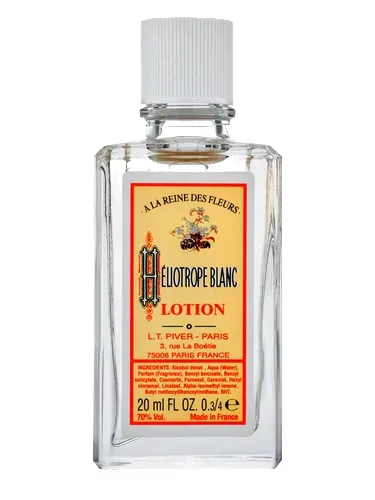
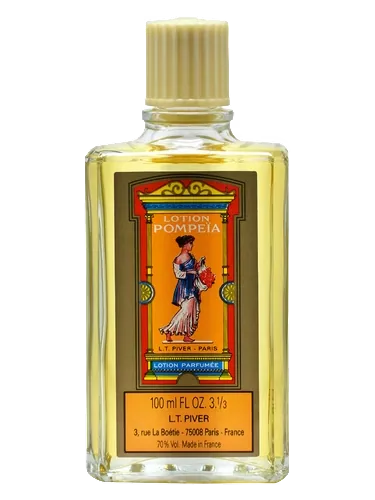
There are no exact direct dupes for Aventurine, but historic florals from L.T. Piver provide close family comparisons. Sister releases like Pompeia deliver a spicier floral profile, while Heliotrope Blanc presents sweet, almond-tinted powdery florals. For a broader vintage floral experience, Houbigant Quelques Fleurs offers a denser, multi-layered bouquet.
Can you blind buy Aventurine?+
You should never attempt a blind buy of Aventurine because it is an exceptionally rare antique flacon. Finding authentic bottles from 1913 is nearly impossible, and existing vintage bottles may have suffered fluid evaporation or note degradation over time. It should only be sought by serious collectors through verified archival channels.
How should you apply Aventurine?+
Apply Aventurine lightly to pulse points such as the wrists and neck to preserve its delicate floral character. Because antique formulas may be delicate and difficult to replace, conservative application is wise. Avoid rubbing the skin after application, which can crush the fragile floral opening and shorten its already subtle lifespan.
Rankings
Full rankingsWear Diary
0 COMMUNITY WEAR LOGSKeep sprays, longevity, weather, and compliments in one practical log.
Sign in to keep private wear notes.
Compliment Signal
FROM WEAR LOGSReviews
No owner review yet. You can be the first.
More from L.T. Piver
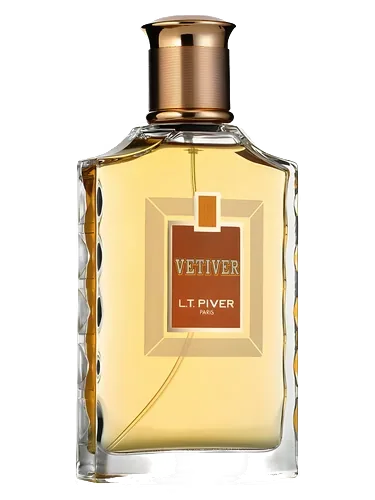
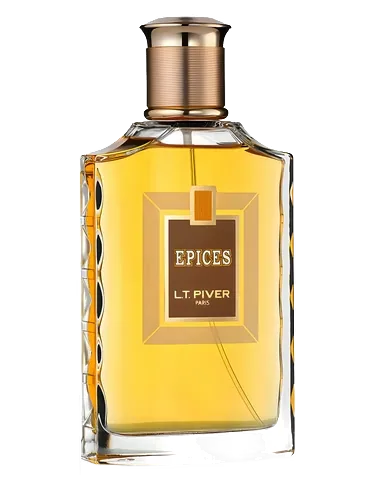
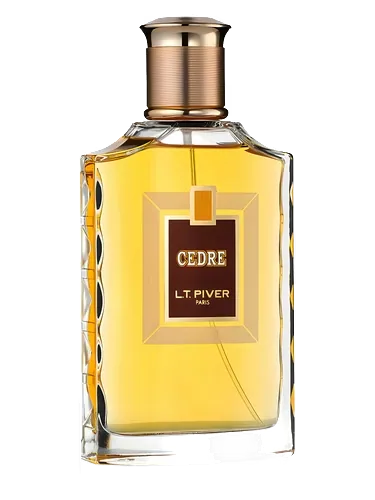
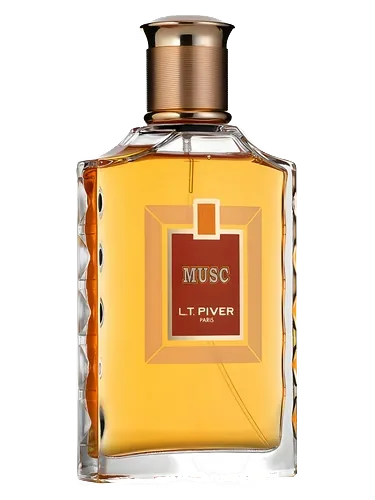
78 FRAGRANCESThe house's most-rated releases, to compare Aventurine with its siblings.
Dupes & Alternatives
COMMUNITY DUPESCOREBecause Aventurine was released in 1913 by L.T. Piver with an unlisted floral pyramid, exact dupes do not exist. Those curious about heritage French florals from the same historic house can explore L.T. Piver Pompeia, which offers a much spicier, herbal floral character, or Heliotrope Blanc, which leans heavily into sweet almond and powdery heliotrope rather than clean botanical petals. For a classic antique unisex floral experience, Guerlain Eau de Fleurs de Cedrat provides a brighter citrus-led floral alternative, while Houbigant Quelques Fleurs presents a far denser, multi-flower bouquet.
No User submitted dupes yet. The first useful DupeScore can come from your community.
Live questions about Aventurine
Ask one quick question and let the community weigh in while it is live.
No live pulse yet.
Trusted Sellers
Community-submitted stores that regular buyers trust, by country.
No trusted sellers added for this fragrance yet.
Where to Sample
Discovery sets, official samples, and trusted decants.
No sample or decant options shared for this fragrance yet.