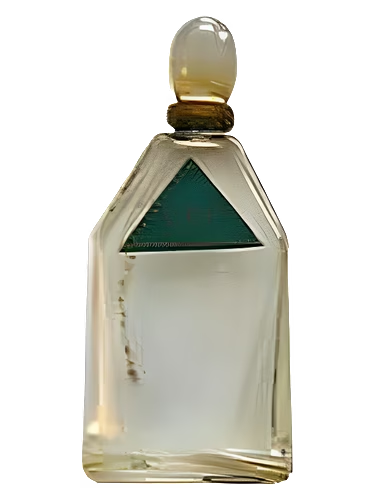
Gao
Targeted primarily at perfume historians and dedicated collectors of early twentieth-century French perfumery, Gao represents an elusive chapter from L.T. Piver. Released in 1925 as a shared creation for women and men, it belongs to an era of bold experimentation, yet the lack of published accords means contemporary shoppers have no verified scent profile to guide them. It is not a sensible blind purchase for casual buyers looking for a dependable daily fragrance. Instead, it appeals to vintage enthusiasts who study obsolete catalog entries or seek out museum-grade estate bottles. Finding a verified sample requires deep archival searching, making this an item for historical study rather than conventional social wearing.
Similar Suggestions
BETAFragrances with the nearest note and performance profile.
For more in-depth suggestions.
Performance Metrics
NO VOTES YETOpen Performance Breakdown 1 TAKE
Community performance votes for Gao are entirely unavailable, with zero ratings recorded for longevity and sillage. Because wearers have not logged measurable wear durations or projection strengths, no verified performance figures exist for this vintage creation.
Notes Pyramid
Search these notesChoose where each note belongs.
Gao lacks verified notes and accords in available historical archives, leaving its precise profile undocumented. Because the 1925 release details do not list top, middle, or base materials, no confirmed accords such as woody, floral, or citrus tones can be verified for this fragrance.
Main Accords
0 MAPPEDAccord data has not been mapped yet.
With zero accords recorded in the database, Gao presents an unmapped aromatic progression. While classic 1920s compositions typically blended botanical or resinous elements, this release offers no confirmed accord metrics to show how any facets might unfold over time.
Community Data
2 TOTAL VOTESCOMMUNITY SENTIMENT
OWNERSHIP STATS
GENDER APPEAL
REVIEW SENTIMENT
When to Wear
TAP TO VOTETIME OF DAY · TAP TO VOTE
OCCASIONS · TAP TO VOTE
Moving from the undocumented opening into the heart and eventual dry-down, Gao continues to withhold its formula. Community archives list zero mid notes and zero base notes for the fragrance. In typical fragrance evaluation, reviewers track the transition from volatile top notes to richer floral or woody centers before settling into fixing base elements. For Gao, that developmental trajectory cannot be confirmed through recorded tests. Wearers who locate authentic antique bottles find that century-old liquids often
Pros & Cons
Quick take before you sampleWHY PEOPLE MAY LIKE IT
Authentic historical release dating back to 1925.
Created by the historic French fragrance house L.T. Piver.
Formulated originally as a unisex composition for both women and men.
Significant cultural interest for dedicated vintage perfume collectors.
Fascinating archival study piece for early twentieth-century beauty history.
Complete rarity makes it a unique addition to museum-style collections.
Uncluttered by mass market modern synthetic reformulation chatter.
Represents an uncommercialized heritage flacon from a classic era.
High curiosity value for specialists who research obsolete perfumery catalogs.
WHAT TO WATCH OUT FOR
Completely undocumented note pyramid with no top, heart, or base details.
Zero community longevity votes to gauge expected wear duration.
No recorded sillage ratings to predict projection or scent bubble.
Completely absent from retail shelves with no commercial distribution.
No written user reviews available to verify actual wear experience.
High risk of age-related ingredient degradation in surviving antique bottles.
Zero occasion votes across casual, professional, or evening wear categories.
Impossible to sample safely through normal decant retailers.
Entirely unsuitable as a blind purchase for everyday fragrance shoppers.
Fragranxe Review
EDITORIAL“Unpacking Gao by L.T. Piver and Its Historical Mystery”
Gao by L.T. Piver entered the perfume world in 1925 as a creation presented for both women and men. Unlike modern fragrance releases backed by comprehensive marketing materials, its initial impression is defined by historical mystery. The archival record contains no published opening notes, leaving perfume historians and curious collectors without an official description of what greets the nose in the opening moments. Observers studying early twentieth-century releases know that perfumes from this decade often leaned into assertive aromatic profiles, but without preserved manufacturer logs, the exact top layer of Gao remains completely unconfirmed.
Moving from the undocumented opening into the heart and eventual dry-down, Gao continues to withhold its formula. Community archives list zero mid notes and zero base notes for the fragrance. In typical fragrance evaluation, reviewers track the transition from volatile top notes to richer floral or woody centers before settling into fixing base elements. For Gao, that developmental trajectory cannot be confirmed through recorded tests. Wearers who locate authentic antique bottles find that century-old liquids often lose their higher registers, leaving behind altered remnants that may not reflect how the perfume smelled in 1925.
Because the dataset lists no main accords for Gao, there is no verified baseline for how its aromatic facets interact over hours of wear. In contemporary perfumes, balsamic, citrus, or spicy accords interact across distinct stages of evaporation. With this release, community voters have logged no dominant accords whatsoever. Anyone examining the fragrance must understand that its behavior across a full day cannot be categorized into familiar scent families. The experience of the fragrance today is shaped more by the condition of individual antique bottles than by an established brand accord structure.
Performance data for Gao is nonexistent in public community logs. Community votes show zero entries for longevity and zero entries for sillage, meaning there are no verified wear times or projection ranges to report. In addition, occasion votes remain at zero across work, date, party, and casual settings. It is impossible to recommend this scent for specific modern venues like offices or evening dinners. Instead, appropriate usage is confined to careful historical sampling at home or dedicated perfume preservation study where standard social performance is irrelevant.
This rare creation suits serious perfume archivists, vintage bottle collectors, and students of classic French cosmetic houses who value historical significance over everyday utility. It offers intrigue for those who appreciate the legacy of L.T. Piver and want to document discontinued catalog items. Conversely, everyday fragrance shoppers, beginners building a practical wardrobe, and anyone seeking a crowd-pleasing daily signature should skip it entirely. Finding an authentic bottle is extraordinarily difficult, and the complete lack of scent information makes it an impractical purchase for general wearers.
Ultimately, Gao remains an elusive historical footnote rather than an accessible wearable fragrance. With no verified notes, no recorded accords, and zero community ratings across every performance metric, it cannot be judged by standard consumer benchmarks. The sensible choice for almost everyone is to skip searching for wearable decants and appreciate it simply as part of early twentieth-century perfume history. Only devoted vintage specialists with access to preserved historical collections will find value in tracking it down.
FAQs
What does Gao smell like?+
Gao has an unrecorded scent profile with no verified notes documented in public archives. L.T. Piver launched the fragrance in 1925 as a unisex composition, but the manufacturer never preserved a detailed breakdown of opening or base accords in modern databases. Without surviving formula sheets or written wearer impressions, its specific olfactory character remains an open question for collectors.
Is Gao long lasting?+
There is no community performance data to confirm whether Gao is long lasting. Community voting registers zero entries across every longevity tier, from weak to eternal. Because this is an antique 1925 creation, any surviving bottle will vary dramatically in holding power based on how well the liquid was sealed and stored over the past century.
Does Gao have strong projection?+
Gao has no recorded sillage votes to indicate how far it projects. The database lists zero ratings across intimate, moderate, strong, and enormous projection categories. Wearers have not submitted sillage measurements, meaning prospective buyers cannot rely on verified projection estimates when evaluating how the scent might radiate in modern indoor environments.
Is Gao intended for men or women?+
Gao is cataloged as a unisex fragrance suitable for both women and men. L.T. Piver officially launched the scent in 1925 without a single gender restriction. While modern gender votes remain unpopulated, the brand archive confirms its shared appeal, reflecting an era when French perfume houses frequently created versatile compositions for diverse audiences.
When was Gao released?+
Gao was originally released in 1925 by French perfume house L.T. Piver. This launch placed it squarely in the middle of the Roaring Twenties, a vibrant decade in French perfumery. However, unlike certain enduring staples from the house, Gao had a limited production run and modern documentation regarding its production cycle remains extremely sparse.
What season is best for wearing Gao?+
There is no verified best season for Gao because community seasonal polls have zero votes. The database contains no recorded votes for spring, summer, fall, or winter wear. Without documented accords or temperature trials from wearers, any recommendation would be pure speculation, leaving the perfume untested across seasonal climates.
Are there similar perfumes or dupes for Gao?+
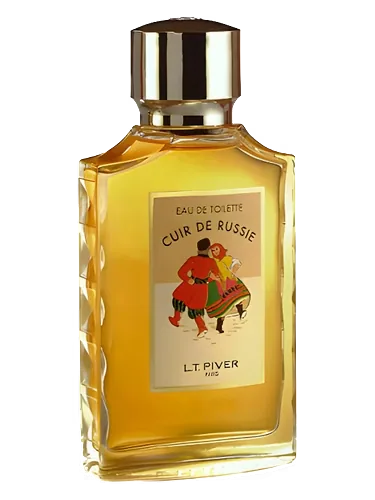
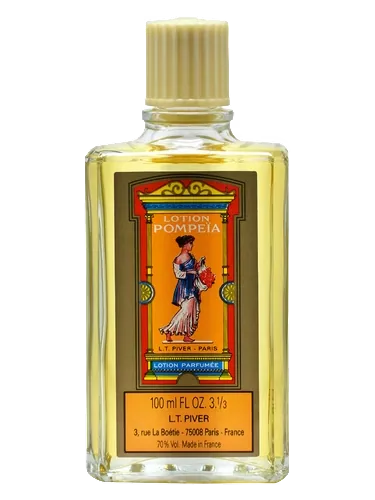
There are no known dupes for Gao due to its missing formula details. Direct comparisons are unavailable because modern databases list zero similar perfumes. Shoppers interested in vintage creations from the same brand can explore documented heritage scents such as Pompeia or Cuir de Russie by L.T. Piver, which have established pyramids and known aromatic profiles.
Should I blind buy Gao?+
Blind buying Gao is not recommended under any normal circumstances. Because the perfume is long out of production and lacks published notes, buying a bottle unseen involves major financial and olfactory risks. Antique flacons found in secondary markets may suffer from evaporation or chemical spoilage, making blind acquisition sensible only for serious vintage bottle collectors.
How should an antique bottle of Gao be applied?+
Apply Gao with extreme care using light dabs rather than heavy sprays. Antique bottles from 1925 often lack atomizers, requiring careful stopper application to minimize air exposure. Applying a small drop to clean skin allows you to inspect the remaining fragrance notes without wasting fragile, irreplaceable liquid that cannot be replaced once depleted.
Can Gao be layered with modern perfumes?+
Layering Gao with modern perfumes is discouraged by vintage fragrance specialists. Because the exact note makeup is completely unrecorded, mixing it with contemporary fragrances could easily clash or overwhelm its delicate antique balance. Preserved historical perfumes are best experienced on their own so wearers can observe their authentic vintage characteristics without external aromatic interference.
Rankings
Full rankingsWear Diary
0 COMMUNITY WEAR LOGSKeep sprays, longevity, weather, and compliments in one practical log.
Sign in to keep private wear notes.
Compliment Signal
FROM WEAR LOGSReviews
No owner review yet. You can be the first.
More from L.T. Piver
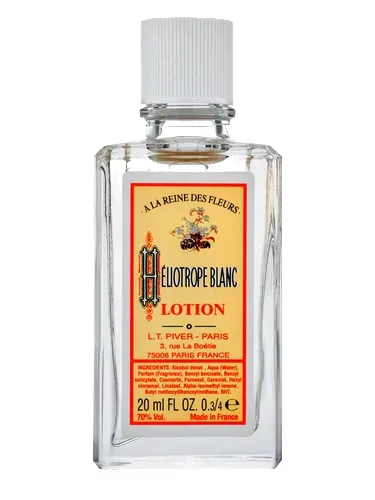
78 FRAGRANCESThe house's most-rated releases, to compare Gao with its siblings.
Dupes & Alternatives
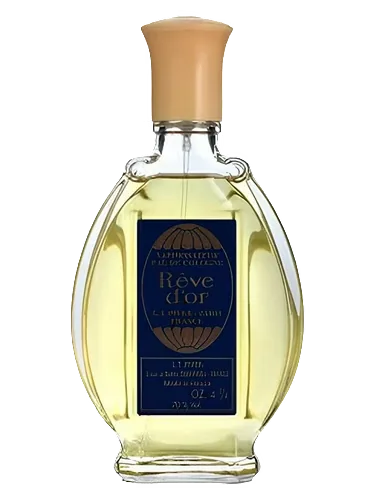
COMMUNITY DUPESCOREDirect dupes for Gao do not exist because its original formula and note breakdown remain unrecorded. Enthusiasts seeking historical creations from the same perfume house can look to documented heritage releases like Pompeia, Cuir de Russie, or Rêve d'Or, which offer established notes and accessible community wear reports.
No User submitted dupes yet. The first useful DupeScore can come from your community.
Live questions about Gao
Ask one quick question and let the community weigh in while it is live.
No live pulse yet.
Trusted Sellers
Community-submitted stores that regular buyers trust, by country.
No trusted sellers added for this fragrance yet.
Where to Sample
Discovery sets, official samples, and trusted decants.
No sample or decant options shared for this fragrance yet.