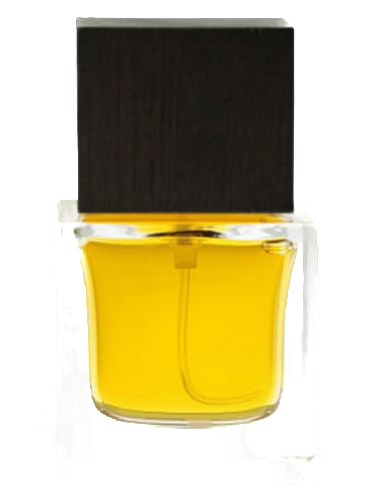
Hana No Oto
Designed by Yasuyuki Shinohara in Hokkaido, Hana No Oto is built for fragrance purists who value quiet contemplation over room-filling sillage. The scent opens with tart citrus zest before revealing an authentic botanical heart of dewy rose petals and subtle white jasmine. Rather than a powdery boudoir floral, it leans crisp, aromatic, and distinctly earthy. A base of dry hinoki wood and gentle Vietnamese oud gives the composition a serene Japanese incense character. Wear it on mild autumn mornings, during relaxed weekend brunches, or inside calm studio environments where personal space matters.
Similar Suggestions
BETAFragrances with the nearest note and performance profile.
For more in-depth suggestions.
Performance Metrics
82 VOTESOpen Performance Breakdown 1 TAKE
On bare skin, Hana No Oto lasts between 5 and 7 hours, while clinging to wool or cotton garments for over 10 hours. Projection radiates at roughly 12 inches for the first 60 minutes before settling into a soft, private bubble 2 inches above the pulse points. It will never overwhelm a car interior or crowded elevator.
Notes Pyramid
Search these notesChoose where each note belongs.
The opening delivers a brisk, bitter squeeze of Japanese lemon paired with crushed green stems. Within fifteen minutes, the scent transitions into an earthy, dewy Hamanasu rose blossom supported by a delicate touch of white jasmine. The drydown rests on clean, resinous hinoki wood and a whisper-light touch of smoke from Vietnamese Jinko agarwood.
Main Accords
8 MAPPEDWoody and aromatic accords dominate the foundation of Hana No Oto, creating a dry cedar-like impression thanks to genuine Japanese hinoki. The rose accord smells rustic and herbaceous rather than sweet or cosmetic, retaining the natural tartness of coastal wild petals. Meanwhile, the agarwood provides a faint resinous warmth that keeps the brisk citrus from evaporating into thin air.
Community Data
230 TOTAL VOTESCOMMUNITY SENTIMENT
OWNERSHIP STATS
GENDER APPEAL
REVIEW SENTIMENT
When to Wear
TAP TO VOTETIME OF DAY · TAP TO VOTE
OCCASIONS · TAP TO VOTE
It looks easiest to wear in winter and fall. The vote picture leans most toward daytime. It makes the most sense for casual wear and work.
Pros & Cons
Quick take before you sampleWHY PEOPLE MAY LIKE IT
Authentic wild Hamanasu rose without synthetic sweetness
Subtle projection makes it completely office and healthcare safe
Clean Vietnamese Jinko agarwood provides warmth with zero barnyard funk
Crisp Japanese lemon and hinoki create a refreshing botanical aura
Unisex balance appeals equally to floral and wood lovers
Exceptional fabric cling lasting beyond nine hours on cotton
Calming meditative vibe ideal for focused desk work and reading
Artisanal natural extraction by master perfumer Yasuyuki Shinohara
Never becomes cloying or suffocating in warm spring weather
Rare regional Japanese botanical materials offer genuine distinction
No abrasive synthetic fixatives or harsh chemical screech
WHAT TO WATCH OUT FOR
Opening three minutes can smell sharp and solvent-heavy
Sits very close to the skin after the first hour
High niche retail price relative to its modest longevity
Will severely disappoint lovers of loud room-filling fragrances
Dry skin absorbs the botanical oils quickly in winter cold
Lacks the heavy jammy sweetness typical of commercial rose perfumes
Natural materials show slight batch variations over time
Not punchy enough for noisy outdoor gatherings or night clubs
Atomizer mist requires multiple sprays to build projection
Oud accord is very faint for those expecting dark Middle Eastern smoke
Limited distribution makes sampling difficult before buying
Fragranxe Review
EDITORIAL“DI SER Hana No Oto Review: A Meditative Japanese Rose Portrait”
The first spray catches you off guard. A sharp, tart burst of Japanese lemon flashes across your skin alongside crushed green plant stalks. For roughly three minutes, the opening smells almost like botanical insect repellent or bitter crushed leaves. Do not panic. That solvent bite burns off rapidly as body heat warms the natural oils. What surfaces in its place is a breathtakingly damp, wild rose bud unfurling in cold morning mist.
By minute twenty, the fragrance settles into its true heart. Here, the rare Hamanasu rose takes center stage. It smells nothing like jammy Turkish rose or powdery cosmetic powder. Instead, it feels vegetal, earthy, and lightly salted, carrying the crisp bite of wild northern coastlines. White jasmine floats gently in the periphery to lend a petal-like softness without turning heavy or cloying. An unexpected malty warmth emerges underneath, reminiscent of toasted grains or warm sourdough crust.
Skin chemistry alters this scent noticeably. On oily skin, the citrus accord lingers for nearly an hour, giving the rose a vibrant, tea rose perfume character. On dry skin, the woods pull forward much faster. Clean Japanese hinoki wood brings a fresh pencil-shavings quality that dries out the floral sweetness. Then comes the agarwood. Extracted through DI SER's proprietary low-temperature distillation, this Vietnamese Jinko oud carries zero animalic barnyard funk. It smells dry, clean, and gently smoky, like the lingering scent of temple woodwork.
Do not expect a beast. Hana No Oto stays intimate. Projection reaches about twelve inches off the chest for the first hour before collapsing into a skin scent. Longevity averages six hours on bare skin. On a cotton shirt, however, the dry hinoki base easily lasts past the nine-hour mark. Hot summer weather causes the top citrus to flash off in fifteen minutes. Crisp spring air between 12 and 18 degrees Celsius gives it maximum vibrancy and depth.
This bottle belongs in the hands of perfume minimalists and mindful wearers. Anyone seeking sweet caramel amber or nuclear projection will be sorely disappointed. It suits open-plan offices, quiet libraries, and clinical settings where conventional perfumes cause headaches. Men and women can wear it with equal confidence because the astringent citrus and dry cedar-like hinoki balance every trace of floral sweetness. It feels private, peaceful, and grounded in the natural world.
Sample before buying. At artisanal niche prices, blind-buying a delicate botanical scent requires caution, especially with such a brisk green opening. Three sprays are plenty. For those who love contemplative Japanese aesthetics, Hana No Oto delivers an honest study in natural botanical craft. It does not shout. It simply sits beside you like a quiet friend.
FAQs
What does the opening of Hana No Oto smell like?+
Hana No Oto opens with a brisk burst of tart Japanese lemon and bitter crushed green stems. During the initial three minutes, the raw citrus and alcohol lift can smell slightly sharp like botanical repellent. As the top notes settle over fifteen minutes, this astringent bite yields to a natural, dewy wild rose petal accord.
How does Hana No Oto transition from its heart into the dry-down?+
The fragrance transitions from a dewy coastal rose into a meditative skin scent of dry hinoki and gentle oud. After roughly ninety minutes, the floral brightness calms down, revealing a warm, toasted grain facet alongside Japanese cedar. By hour four, clean Vietnamese Jinko agarwood anchors the skin with smooth, non-animalic woody warmth.
How long does Hana No Oto last on skin compared to clothing?+
Hana No Oto lasts roughly 5 to 7 hours on bare skin and over 10 hours on natural fabrics. Natural botanical oils absorb relatively quickly into warm skin before softening into an intimate skin scent. On cotton shirts or wool sweaters, the aromatic hinoki wood and agarwood base notes cling firmly well into the following morning.
What kind of sillage and projection does Hana No Oto have?+
Hana No Oto maintains an intimate projection radius of one to two feet before resting close to the skin. It creates a personal scent bubble that projects modestly for the first two hours. It never creates a heavy sillage trail across a room, making it polite and completely non-intrusive for those nearby.
Which seasons and temperatures bring out the best in Hana No Oto?+
Hana No Oto performs at its peak during cool spring and crisp autumn days between 12 and 18 degrees Celsius. Moderate temperatures preserve the delicate balance between refreshing Japanese lemon and earthy Hamanasu rose. In freezing winter winds the projection drops sharply, while high summer humidity causes the top citrus notes to flash off too quickly.
What are the best occasions and settings for wearing Hana No Oto?+
This scent is ideally suited for daytime office wear, calm professional meetings, and relaxing weekends at home. Its polite, natural character ensures it never offends colleagues in quiet, enclosed workspaces. While wonderful for intimate dates or morning coffee runs, it lacks the volume and sweetness needed for loud evening parties or nightlife.
Does Hana No Oto lean masculine, feminine, or strictly unisex?+
Hana No Oto is a balanced unisex fragrance that appeals equally to men and women. While it features a prominent Japanese rose heart, the sharp citrus opening, herbal stem bitterness, and dry hinoki wood prevent any cloying cosmetic powder. Fragrance fans of all genders who enjoy natural woods and fresh botanicals will feel comfortable wearing it.
How does Hana No Oto compare to DI SER Kyara?+
Hana No Oto is significantly fresher and more floral than Kyara, which centers entirely on dark, precious agarwood. While Kyara is an intense, resinous contemplation of rare temple woods, Hana No Oto balances its clean Jinko oud with bright Japanese lemon and wild Hamanasu rose. It feels far lighter, airier, and more wearable for everyday daytime tasks.
Is Hana No Oto worth the premium price tag for an artisanal fragrance?+
Hana No Oto offers fair value for artisanal perfume enthusiasts who prioritize pure natural botanical materials over loud projection. Yasuyuki Shinohara uses authentic Japanese Hamanasu rose and wild Vietnamese Jinko agarwood extracted with gentle proprietary methods. Everyday shoppers seeking nuclear commercial longevity may find the price steep, but connoisseurs recognize the rare botanical quality.
What scent families and notes blend best when layering Hana No Oto?+
Hana No Oto layers best with sheer woody cedar scents, clean citrus colognes, or minimalist skin musks. Combining it with an airy iso-e-super or frankincense base amplifies the meditative drydown of hinoki and agarwood without drowning the delicate floral heart. Avoid layering it with heavy gourmands or spicy amber fragrances that easily overpower its subtle botanicals.
Rankings
Full rankingsWear Diary
0 COMMUNITY WEAR LOGSKeep sprays, longevity, weather, and compliments in one practical log.
Sign in to keep private wear notes.
Compliment Signal
FROM WEAR LOGSReviews
No owner review yet. You can be the first.
Dupes & Alternatives
COMMUNITY DUPESCOREIf Hana No Oto proves too delicate or costly, consider Oriza L. Legrand Relique d'Amour for a similarly damp, quiet church floral vibe with lily and cold stone. For a bolder woody rose with aromatic bite, Frederic Malle Rose & Cuir offers punchier sillage, while DI SER's own Kyara provides a much heavier, resin-dominant meditation on rare agarwood.
No User submitted dupes yet. The first useful DupeScore can come from your community.
Live questions about Hana No Oto
Ask one quick question and let the community weigh in while it is live.
No live pulse yet.
Trusted Sellers
Community-submitted stores that regular buyers trust, by country.
No trusted sellers added for this fragrance yet.
Where to Sample
Discovery sets, official samples, and trusted decants.
No sample or decant options shared for this fragrance yet.