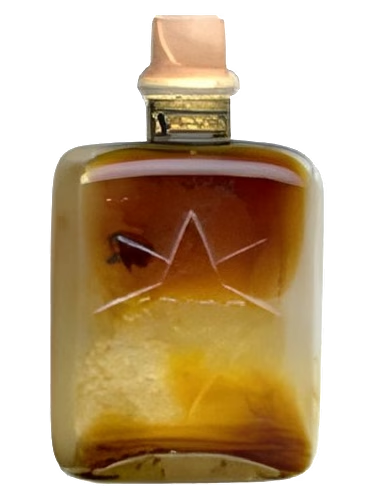
Spido
Targeted originally toward female fragrance wearers in the early twentieth century, Spido by L.T. Piver represents early French commercial perfumery. It appeals directly to vintage bottle collectors, perfume genealogists, and museum archivists fascinated by early interwar releases. Modern fragrance enthusiasts looking for a dependable daily signature will find Spido impractical, as current retail availability does not exist. Instead, this fragrance suits historical contemplation and collector study. Anyone seeking classic French house history will value the name as part of the storied L.T. Piver portfolio. However, casual shoppers should bypass this title in favour of currently circulating heritage formulas, since acquiring a preserved sample in usable condition remains an exceptional collector hurdle.
Similar Suggestions
BETAFragrances with the nearest note and performance profile.
For more in-depth suggestions.
Performance Metrics
NO VOTES YETOpen Performance Breakdown 1 TAKE
Community performance votes are currently empty, recording zero ratings for both longevity and sillage. Without voter data or fresh retail batches, no verified hourly duration or projection range can be established.
Notes Pyramid
Search these notesChoose where each note belongs.
Spido possesses an unrecorded scent profile in current databases, with no documented top, middle, or base notes preserved in the community record. Created for women in 1920, its formulation remains an archival mystery rather than an active commercial recipe.
Main Accords
0 MAPPEDAccord data has not been mapped yet.
No primary accords are catalogued for this 1920 creation. Unlike modern releases with established olfactory groupings, this perfume has no recorded accord progression, meaning its aromatic behavior cannot be mapped through standard fragrance families.
Community Data
0 TOTAL VOTESCOMMUNITY SENTIMENT
OWNERSHIP STATS
GENDER APPEAL
REVIEW SENTIMENT
When to Wear
TAP TO VOTETIME OF DAY · TAP TO VOTE
OCCASIONS · TAP TO VOTE
Encountering Spido by L.T. Piver requires setting aside standard contemporary expectations. Released in 1920 as a perfume for women, the fragrance exists today primarily as an archival reference. Opening an authentic vintage flacon from that era presents an initial experience dominated by aged formulation materials rather than crisp, factory-fresh top notes. Because no official opening notes were documented in modern databases, the initial impression cannot be measured against a manufacturer pyramid. Instead, any s
Pros & Cons
Quick take before you sampleWHY PEOPLE MAY LIKE IT
Historic 1920 launch representing classic French perfumery
Created by the historic Parisian perfume house L.T. Piver
Significant collector interest for vintage bottle hunters
Authentic artifact of early interwar fragrance production
Appeals directly to perfume historians and cosmetic archivists
Free from modern synthetic fragrance trends and chemical sweetness
Original flacons offer decorative and historical display value
Fascinating study piece for vintage formulation preservation
WHAT TO WATCH OUT FOR
Complete absence of published notes or accord listings
Zero community performance votes for longevity or sillage
No written user reviews available from contemporary wearers
Long discontinued and absent from standard retail stores
Surviving antique bottles suffer natural evaporative loss
High financial risk when purchasing unverified estate bottles
Completely unsuited for modern daily signature wear
Impossible to sample through ordinary decant channels
Fragranxe Review
EDITORIAL“Spido by L.T. Piver Review: Archival Analysis of a 1920 Rarity”
Encountering Spido by L.T. Piver requires setting aside standard contemporary expectations. Released in 1920 as a perfume for women, the fragrance exists today primarily as an archival reference. Opening an authentic vintage flacon from that era presents an initial experience dominated by aged formulation materials rather than crisp, factory-fresh top notes. Because no official opening notes were documented in modern databases, the initial impression cannot be measured against a manufacturer pyramid. Instead, any surviving bottle greets the nose with the characteristic patina of a century-old French creation.
The transition toward the heart and dry-down is equally obscured by history. In standard perfume development, the midsection reveals the primary theme before settling into a warm base. For this release, however, there are no recorded floral, spicy, or resinous notes catalogued in public archives. An enthusiast inspecting a vintage bottle experiences the natural settling of aged botanical extracts and historic fixatives. What remains in the dry-down is the faint, antique character typical of early twentieth-century perfumery rather than a verifiable sequence of individual materials.
Because official accords are absent from the record, tracking their behavior over a full day is impossible through modern metrics. Early French formulas often blended botanical extracts with traditional fixatives, but the exact balance of this specific blend was never digitized. Wearers of surviving antique flacons note that very old liquids compress over decades. The dynamic development between early, middle, and lingering phases flattens out, leaving a unified vintage presence that drifts quietly rather than evolving along distinct aromatic paths.
Performance data from community votes is completely absent. The database records zero votes for longevity and zero votes for sillage, so there are no validated hour counts or projection bands to report. In practical terms, vintage fragrances of this vintage behave unpredictably on skin, often staying intimate due to degraded top elements. This makes the fragrance unsuited for typical daily environments such as modern offices or crowded social venues. It belongs in a controlled setting where an enthusiast can study historic perfumery without demanding practical everyday utility.
This fragrance suits dedicated antique bottle collectors, cosmetic historians, and devoted followers of early French perfume houses. If you collect historical flacons or research the catalog of the house, it represents an intriguing historical artifact. Conversely, general fragrance buyers and beginners should skip it completely. Anyone looking for an accessible daily scent, dependable projection, or an easily replenishable signature will be frustrated by the total lack of retail availability and documented notes.
The final assessment on this release is unambiguous. Treat Spido as a historical collector item to examine when discovered in estate collections, but do not seek it out as a wearable contemporary fragrance. Without published notes, verified accords, or active retail distribution, it remains an elusive footnote in the house catalog rather than a practical purchase.
FAQs
What does Spido by L.T. Piver smell like?+
The exact smell of Spido by L.T. Piver cannot be confirmed because its notes are not recorded. The brand introduced the fragrance in 1920 without preserving an accessible note pyramid in modern databases. Surviving vintage bottles typically exhibit the muted, powdery characteristics of aged French perfumes, but no verified olfactory profile is officially catalogued.
When was Spido by L.T. Piver released?+
Spido was launched by French perfume house L.T. Piver in 1920. It debuted during the early interwar period as a feminine fragrance. Modern records document its 1920 launch date, though ongoing commercial production ceased many decades ago, making it exclusively an antique catalog item today.
Is Spido by L.T. Piver for men or women?+
Spido was formulated and marketed specifically as a fragrance for women. Historical brand records classify it as a feminine release from 1920. However, modern vintage collectors of all genders often study surviving flacons purely for their historical formulation and French design interest rather than conventional gender classifications.
How long does Spido by L.T. Piver last on skin?+
There are no community longevity ratings or verified hour measurements for Spido. The database lists zero votes for staying power, meaning no consensus exists across wear bands. Any surviving 1920 bottle will have degraded over a century of storage, making modern performance inconsistent and largely intimate.
How strong is the projection of Spido by L.T. Piver?+
Community sillage data is completely unrecorded for Spido by L.T. Piver. With zero community votes submitted for projection, there is no evidence to place it in intimate, moderate, or strong categories. Wearers evaluating centenary bottles should expect reduced sillage due to the natural evaporation of volatile alcohol and top notes.
What are the main notes in Spido by L.T. Piver?+
There are no published notes or structured accords recorded for Spido. Neither top, middle, nor base notes have been catalogued in public fragrance registries for this 1920 launch. Because the original manufacturer documentation has not been transcribed into modern databases, its ingredient breakdown remains officially unknown.
Is Spido by L.T. Piver still available in stores?+
Spido is completely discontinued and unavailable through conventional retail stores. You will not find it at beauty boutiques, department stores, or online discounters. The only way to encounter a bottle today is through specialized antique dealers, estate liquidations, or private vintage perfume auctions.
What fragrances are similar to Spido by L.T. Piver?+
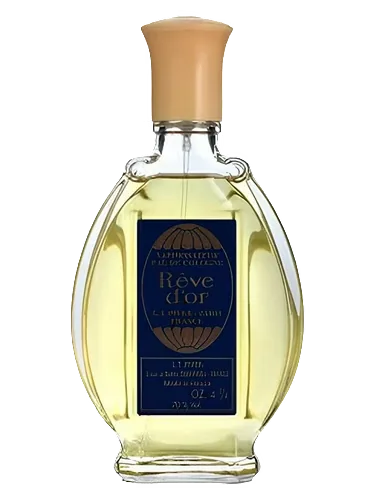
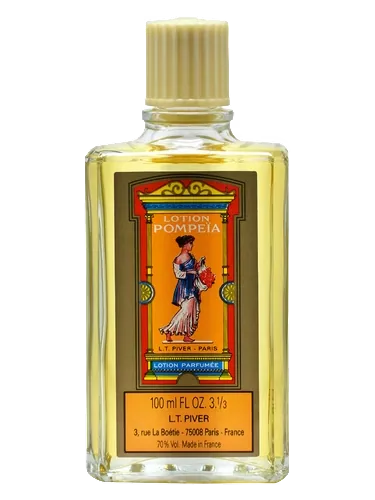
Direct scent dupes do not exist because the formula of Spido is undocumented. For those interested in historical releases from the same house, L.T. Piver classics like Pompeia and Reve d'Or provide accessible examples of early French house heritage, both featuring verified notes and active commercial production.
Should I blind buy Spido by L.T. Piver if found online?+
Blind buying Spido is not recommended for everyday wear due to extreme uncertainty. Without documented notes, community reviews, or freshness guarantees, purchasing an unsealed century-old flacon carries substantial financial and quality risks. It should only be bought by antique collectors who understand vintage decay and bottle restoration.
Who is Spido by L.T. Piver best suited for?+
Spido is suited strictly for antique fragrance collectors and perfume historians. Everyday shoppers seeking a functional cosmetic scent will find it entirely impractical. Its real value lies in archival study, historical documentation, and private museum collections rather than modern daily wear.
Rankings
Full rankingsWear Diary
0 COMMUNITY WEAR LOGSKeep sprays, longevity, weather, and compliments in one practical log.
Sign in to keep private wear notes.
Compliment Signal
FROM WEAR LOGSReviews
No owner review yet. You can be the first.
More from L.T. Piver
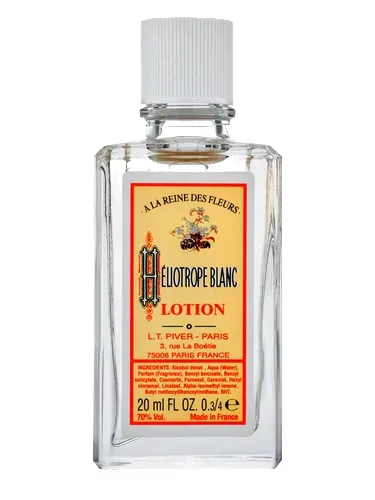
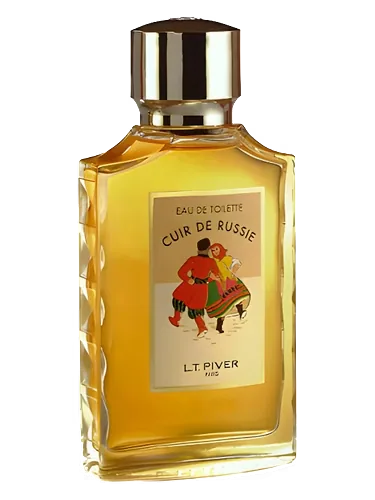
78 FRAGRANCESThe house's most-rated releases, to compare Spido with its siblings.

Dupes & Alternatives
COMMUNITY DUPESCOREBecause Spido has no recorded notes or accords, exact dupes cannot be identified. Enthusiasts seeking accessible alternatives from the same historic brand should explore L.T. Piver Pompeia, Reve d'Or, or Cuir de Russie, all of which maintain documented formulas.
No User submitted dupes yet. The first useful DupeScore can come from your community.
Live questions about Spido
Ask one quick question and let the community weigh in while it is live.
No live pulse yet.
Trusted Sellers
Community-submitted stores that regular buyers trust, by country.
No trusted sellers added for this fragrance yet.
Where to Sample
Discovery sets, official samples, and trusted decants.
No sample or decant options shared for this fragrance yet.